The practical takeaway
Recovery is part of training, not the opposite of it. Whether you lift twice a week, take long walks, return to movement after a break, or train more seriously, your body benefits from room to rest, eat, hydrate, and sleep. These Sleep & Recovery foundations can help you build an active routine that feels sustainable rather than all-or-nothing. The point is not to optimize every recovery detail. It is to cover the basics before buying into complicated protocols.
Begin with the kind of activity you actually did
Your recovery needs do not look the same after a gentle neighborhood walk and a demanding strength session. It also changes with your fitness level, sleep, daily stress, and whether you are returning after time away. A good first question is: “What would help me feel ready for my next session?”
For a moderate session, the answer may be a normal meal, water, and an earlier bedtime. For a more demanding workout, you may need an easier training day before working the same muscles again. The National Institute of Diabetes and Digestive and Kidney Diseases advises allowing at least one day of rest before training the same muscle groups again, to give muscles time to recover and rebuild.[^niddk]
That is a simple principle, not a rule that turns every week into a spreadsheet. Notice how your body feels, increase gradually, and make room for rest before you feel forced into it.
Eat a normal, satisfying meal after activity
You do not need to rush toward a special shake or make a workout worth “earning” food. In many everyday situations, a balanced meal or snack that includes carbohydrates, protein, and fluids is a sensible place to start. Think yogurt and fruit, eggs on toast, beans and rice, a sandwich with a side of produce, or dinner you would have eaten anyway.
Sports-nutrition research often focuses on athletes who need to recover quickly between demanding sessions. That does not mean every recreational workout requires a precise protein target or a supplement. A broader review notes that recovery advice needs to be individualized to the timing and demands of the next training bout.[^recovery-review]
Use the ordinary question: when is your next workout, and did you eat enough through the day? If you are exercising again soon or doing a particularly demanding routine, personalized guidance from a registered dietitian can be useful.
Hydrate without turning it into another metric
After movement, drink according to thirst and your situation. Hot weather, long sessions, heavy sweating, and multiple workouts can change what you need. For most active people eating a balanced diet, the National Athletic Trainers’ Association notes that special additions to drinks are not automatically necessary.[^nata]
Water with a meal is an easy baseline. If you finished a sweaty session, continue drinking over the next few hours and include normal food. You do not have to chase a perfect bottle count. If you have a health condition that affects fluid needs, follow the advice of your healthcare team instead of generic fitness content.
Choose the kind of rest you need
Rest is not always lying perfectly still. Some days, the right choice is a full day away from structured exercise. Other days, an easy walk, mobility work, gentle cycling, or relaxed stretching may feel better than doing nothing. The best option depends on the session, your energy, and whether you have pain or an injury.
Use “gentle” literally. A recovery walk should leave you feeling more settled, not like you accidentally started another workout. If you are unusually sore, exhausted, dizzy, or dealing with pain that changes how you move, do not try to push through because a plan says active recovery is required. Rest, reassess, and seek professional input when needed.
Protect your sleep after a busy day
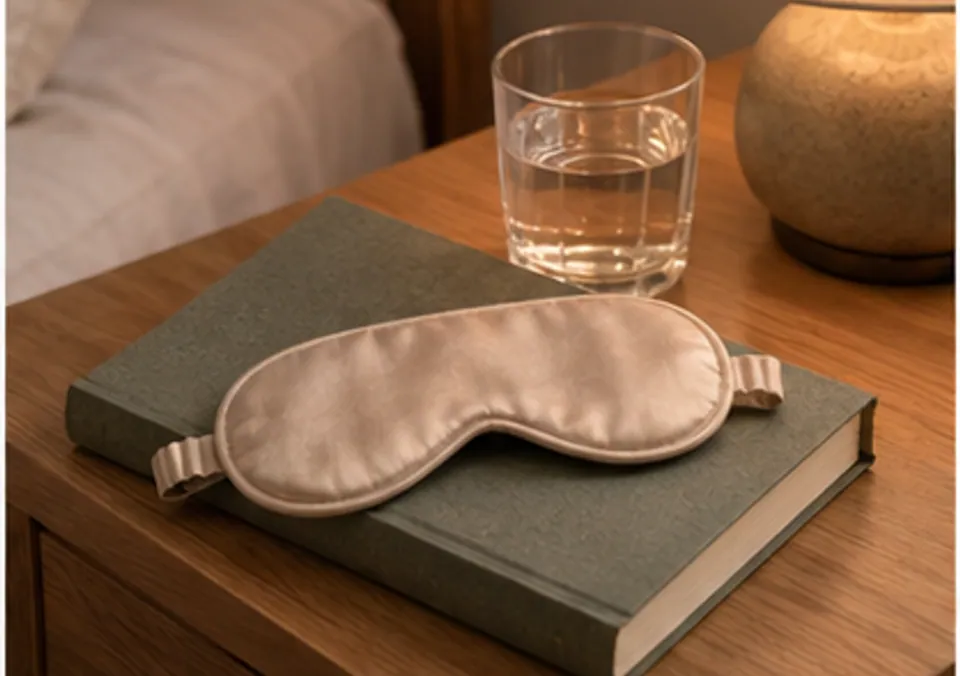
Sleep is one of the most useful recovery basics because it supports your whole routine, not just a single session. The CDC recommends regular exercise and healthy sleep habits such as a consistent schedule and a quiet, cool, relaxing bedroom.[^cdc]
That does not mean you need to train early or stop all evening activity. It means paying attention to your own pattern. If a hard late workout leaves you too energized to wind down, experiment with a different time, a gentler finish, or a calmer transition afterward. A shower, a regular dinner, dimmer lights, and a phone boundary can help move the evening toward rest.
For a practical reset after movement, use the same low-pressure structure in A Realistic Evening Routine for Better Sleep. Recovery is easier when it fits into the rest of your evening.
Skip the pressure to do everything
Recovery marketing can make it sound as though you need ice baths, devices, powders, and a perfectly timed routine. Most people will get more value from the fundamentals: enough food, fluids, sleep, gradual progression, and appropriate rest.
Research reviews describe sleep, rest, nutrition, hydration, and range of motion as foundational parts of recovery before adding more specialized interventions.[^recovery-framework] This is good news. The effective first layer can be fairly ordinary.
Make a short post-workout checklist that works in your real schedule:
- Have I eaten or planned my next meal?
- Do I have water nearby?
- Is tomorrow's session realistically matched to how I feel?
- Can I make tonight a little more sleep-friendly?
If the answer is yes to most of these, you are doing recovery work.
When to get more support
Sudden severe pain, swelling, weakness, dizziness, chest symptoms, or an injury that does not improve are not recovery problems to solve with a blog routine. Pause the activity and seek appropriate medical evaluation. If food, body image, or exercise feels rigid or distressing, a qualified healthcare professional or registered dietitian can offer support that is more personal than general advice.
Sources
[^niddk]: National Institute of Diabetes and Digestive and Kidney Diseases. Health Tips for Adults. Accessed September 12, 2026.
[^nata]: National Athletic Trainers’ Association. Fluid Replacement for the Physically Active. 2017.
[^recovery-framework]: Murray A, et al. Post-exercise Recovery: Cooling and Heating, a Periodized Approach. 2021.
[^recovery-review]: Karakelides H, et al. Nutritional Strategies to Improve Post-exercise Recovery. 2025.
[^cdc]: Centers for Disease Control and Prevention. About Sleep. Reviewed May 15, 2024.

Written by
Adele Bennett
Osavelle editorial writer, making evidence-aware wellness guidance practical for women in the United States.